What to Bring to Your Meeting With a Bicycle Accident Lawyer in Denver

The first meeting with a lawyer after a bicycle crash is rarely calm. Most people arrive with a phone full of photos, a head full of questions, and a growing sense that the insurance process is moving faster than they are. That is normal. A serious crash can throw your routine, your health, and your finances off balance in a matter of seconds.
If you are preparing to meet a Bicycle Accident Lawyer Denver cyclists trust for injury cases, the goal is not to show up with a perfect file. The goal is to bring enough useful information that the lawyer can quickly understand what happened, identify the strongest evidence, spot weak points before the insurance company does, and give you practical guidance about the next step.
A good first meeting often turns on details that seem small at the time. The exact intersection. Whether you were wearing a helmet. The name of the urgent care clinic versus the hospital. The time of day. Whether a driver admitted, right there on the street, that they “never saw you.” These facts matter because bicycle claims are built from documentation, timing, and credibility. Memory alone is rarely enough.
Start with the basic case file, even if it is incomplete
The most useful thing you can bring is a simple, organized collection of what you already have. It does not need to be polished. A lawyer would rather see an imperfect but honest set of records than a carefully edited story with missing pieces.
At minimum, try to gather the papers and digital records tied directly to the crash and its aftermath. That usually includes the police or incident report if one exists, the exchange of information with the driver, photos of the bike and the scene, medical visit paperwork, insurance letters, and any written communication from adjusters. If you have these items scattered across your email, camera roll, glove box, and kitchen counter, that is common. Put them in one folder or shared drive before the meeting.
This is also the stage where many people worry they have “nothing.” In practice, they usually have more than they think. One client may not have a police report yet, but they have timestamped photos, an Uber receipt from leaving the ER, and text messages to a spouse describing the crash within minutes of it happening. Another may have thrown away discharge paperwork, but the hospital portal still shows diagnoses, imaging, prescriptions, and billing. A lawyer can work with fragments if the fragments are timely and authentic.
The documents that carry the most weight
Certain records do more than fill in background. They often shape the value and direction of the claim from the beginning. If you have them, bring them.
- Any police report, crash report number, or incident report
- Photos or video of the scene, your injuries, the vehicle, and your bicycle
- Medical records, discharge instructions, prescriptions, and bills
- Insurance correspondence, claim numbers, and adjuster contact information
- Proof of lost income, such as pay stubs or a letter from your employer
That short list covers the spine of most bicycle injury cases. The report anchors the event. The photos preserve what the street and the bike looked like before repairs, cleanup, or weather changed the scene. Medical records connect the crash to the injury. Insurance communications reveal what the other side already knows and what position they may be taking. Wage records begin to quantify the financial harm that is easy to overlook in the first few weeks.
If you only bring one category in complete form, make it the photos. Scenes change quickly. Fresh skid marks disappear. Broken bike parts get replaced. Bruising fades. Even a mediocre phone photo taken right after the collision can become important later.
Your own timeline matters more than you think
After documentation, the next most valuable thing to bring is your timeline. Not a polished essay, just a clear sequence. When did the crash happen? Where were you coming from? Where were you going? Did you speak with the driver? Did police come? When did you first feel pain? When did you seek treatment? Did you miss work that same week or only later when symptoms worsened?
A timeline helps a lawyer test the consistency of the claim. Insurance companies scrutinize gaps. If a cyclist says they were badly hurt but waited three weeks to see a doctor, the adjuster will often argue the injury came from something else. There may be a perfectly good explanation, perhaps the rider thought it was road rash and soreness, then developed numbness, headaches, or shoulder restriction days later. But the explanation has to be presented clearly and backed up where possible.
Write down the sequence before the meeting while the memory is still fresh. Small timing details can matter. For example, if you called 911 but left before officers arrived because an ambulance took you to the hospital, that explains why an initial report may be thin. If a witness texted you the next morning, save that. If the driver’s insurer called within 24 hours and wanted a recorded statement, make a note of the date and what was said.
Bring the bicycle story, not just the medical story
In car cases, people usually understand that vehicle damage matters. In bicycle cases, they often underestimate how much the bike itself can reveal. Bring photos of the bicycle from multiple angles and, if possible, receipts or records that show its make, model, components, and pre-crash condition. If the bike has not been repaired, tell the lawyer where it is stored. Do not rush to replace damaged parts until the damage is documented.
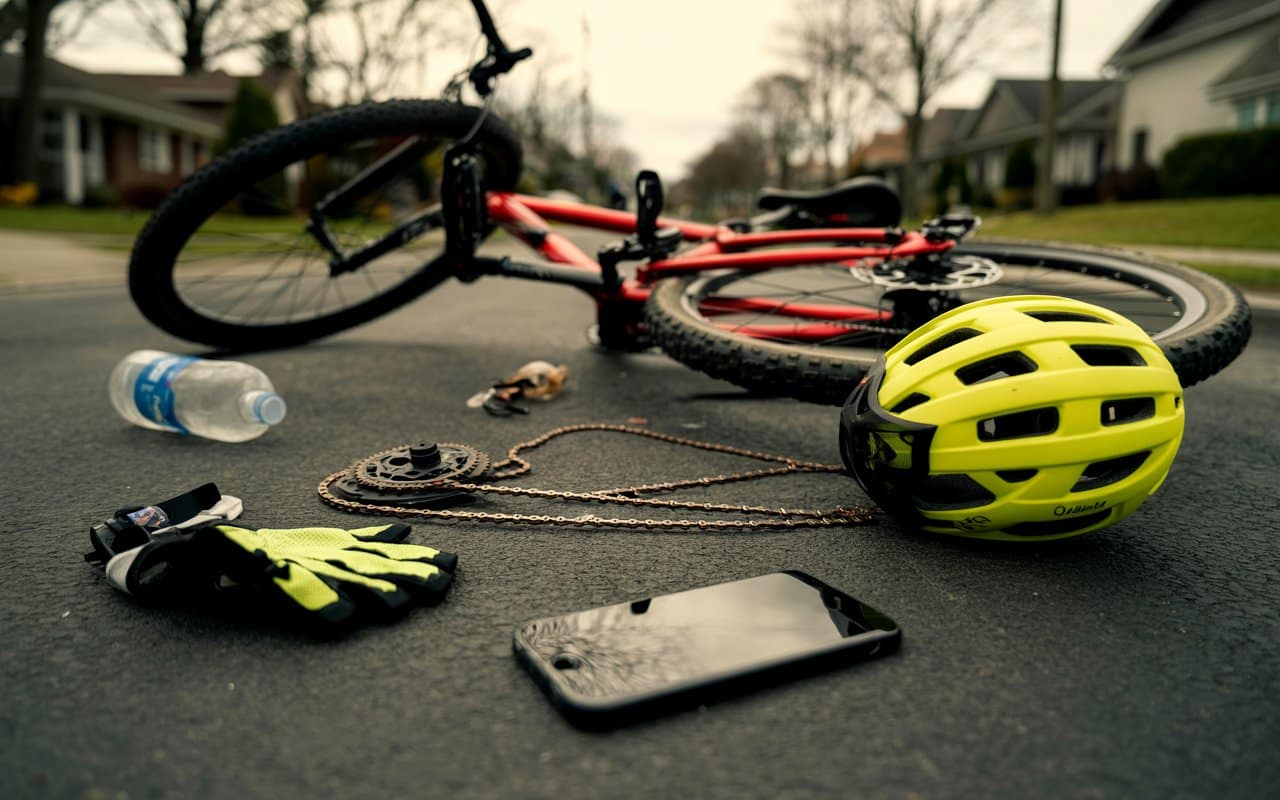
A cracked carbon frame, bent fork, tacoed wheel, shattered helmet, or torn cycling kit can help tell the force and mechanics of the impact in a way words cannot. I have seen cases where a defense adjuster downplayed a rider’s fall as “low speed,” only for detailed bike photos to show a far more violent collision. The same goes for commuter gear. A broken pannier mount or crushed rear light can support a side-swipe or rear-impact account.
Keep the damaged helmet, too. People often throw it away out of frustration or because they know it should not be worn again. That makes sense from a safety standpoint, but it can be useful evidence. Even when helmet use is not the central issue, the condition of the helmet can help show the nature of the crash.
Medical records, symptoms, and the problem of delayed pain
Many cyclists walk away from a crash believing they escaped with road rash and bruises, only to wake up the next day unable to turn their neck, grip the bars, or bear weight on a knee. Adrenaline masks a lot. That is why your lawyer will want a full picture of your treatment, not just the first visit.
Bring records from every provider you have seen, including the emergency room, urgent care, primary doctor, orthopedist, neurologist, physical therapist, chiropractor, or mental health provider if the crash caused anxiety or sleep disruption. If you do not have the records, bring the names of the providers and the dates of treatment so the office can request them.
It helps to make a plain-language symptom log. Again, this does not need to be formal. Note when headaches started, whether shoulder pain worsens when reaching overhead, whether hand numbness affects typing, whether a knee injury makes stairs difficult, and whether you had to stop riding entirely. This is not exaggeration. It is the everyday reality of injury, and everyday limitations often explain damages better than medical jargon does.
A rider with a clavicle fracture may be able https://www.google.com/maps?cid=12754349830689844018 to describe the injury in one line. A rider with a concussion may need several minutes to explain the brain fog, light sensitivity, irritability, and inability to tolerate screens or traffic. Both deserve to be documented carefully. Lawyers and insurers respond to records, but they also respond to concrete functional impact.
Do not forget the wage and work side of the case
Lost wages are not limited to dramatic scenarios where someone misses months of work. Bicycle crashes often create quieter but still expensive disruptions. You may use PTO for doctor visits. You may lose freelance gigs because you cannot travel. A bartender may lose shifts because lifting kegs or working a packed room is impossible with rib pain. A software engineer may technically return to work but struggle through post-concussion symptoms that cut productivity in half.
Bring what you can to show the economic effects. Pay stubs before and after the crash are useful. So is a calendar showing canceled workdays. If you are self-employed, client emails about delayed projects, invoices, and tax records can all help. If your job requires physical activity, a note from your doctor restricting lifting, driving, climbing, or repetitive motion can be significant.
This area often gets underdeveloped because injured people focus on healing first, which is understandable. Still, if you are meeting a Bicycle Accident Lawyer Denver professionals recommend, expect questions about your actual work life. That is a good sign. It means the lawyer is looking beyond the initial ER bill.
Insurance paperwork can reveal the pressure points
Bring every insurance-related document you have received, even if it seems routine or confusing. Many people only save the denial letter or settlement offer, but early notices, reservation-of-rights language, and claim acknowledgment emails can matter too.
If the driver’s insurer has already contacted you, note whether they asked for a recorded statement, whether they admitted their insured was at fault, or whether they suggested you were partly responsible. In bicycle cases, comparative fault arguments show up often. The insurer may question lane position, lighting, visibility, speed, signaling, or compliance with traffic controls. Some of those arguments are valid in certain cases. Some are just standard pressure tactics. Your lawyer needs to see exactly how they are framing the incident.
Bring your own insurance information as well, especially if you have auto coverage in your household. People are often surprised to learn that some policies can become relevant even when the injured person was on a bike rather than in a car. The details depend on the policy language and the facts, which is exactly why your lawyer will want the declarations page and claim information if any report has already been made.
Witness information is often more fragile than physical evidence
Independent witnesses can make an outsized difference in a disputed bicycle case. Drivers and cyclists almost always describe the same collision differently. A witness with no stake in the outcome can break that tie.
If anyone stopped to help, called 911, gave you a phone number, or messaged you later, bring that information. If you only remember fragments, such as “a woman from the coffee shop across the street” or “a delivery driver in a white van,” say so. Seemingly vague clues can still help an investigator or lawyer follow up, especially if there is a nearby business with surveillance footage.
Do not worry if the witness was not interviewed by police. That happens often. The more immediate issue is speed. Witnesses become harder to locate as weeks pass, and memories degrade faster than most people realize.
A few things to do before you walk into the office
Preparation does not need to consume your week. A little structure goes a long way, especially if you are still injured or overwhelmed.
- Put all documents and photos into one digital folder or paper envelope
- Write a one-page timeline of the crash and your medical treatment
- Make a list of every provider, insurer, and witness with contact details
- Bring questions about fees, case strategy, and expected next steps
- Avoid repairing or disposing of key physical evidence before the meeting
That last point is worth pausing on. People naturally want their life back. They replace the helmet, tune the bike, and clean out the damaged gear. From a daily living standpoint, that is understandable. From an evidence standpoint, it can close doors. At least photograph and document everything before making those changes, and ask the lawyer whether an inspection is needed.
What questions the lawyer is likely to ask
Many clients assume the first consultation will revolve around fault in the abstract. It usually becomes much more practical than that. Expect pointed questions about the roadway, traffic controls, bike lane configuration, weather, visibility, your route, and what you remember hearing or seeing just before impact. In Denver, those details can vary block to block. A painted lane, a door zone, a protected segment, a right-turn conflict, or a driveway entrance can all shape liability analysis.
You will probably also be asked about your riding experience. That is not necessarily a trap. A seasoned commuter may notice details a casual rider misses, while a newer rider may have a different comfort level in traffic. The lawyer is trying to understand how a jury, insurer, or opposing counsel might evaluate your account.
You may also hear questions that feel personal, such as prior injuries, previous crashes, or preexisting neck and back problems. Answer honestly. Hidden prior injuries cause more damage to a case than disclosed ones. Many injured cyclists have old shoulder issues, previous concussions, or lower back pain from entirely unrelated causes. Those facts can be managed if they are handled early and accurately.
What not to leave out, even if you think it hurts your case
Clients sometimes withhold details because they are embarrassed or afraid the lawyer will judge them. Maybe they were not using bright lights at dusk. Maybe they rolled slowly through a stop after checking the intersection. Maybe they told the ER they were “fine” because they were in shock. Maybe they posted a smiling photo online at a family event three days later.
Bring those facts up. They will almost always surface eventually, and it is far better for your lawyer to know about them at the start. Early honesty allows the case to be framed correctly. Sometimes a supposedly bad fact turns out to be legally minor. Sometimes it matters a great deal, but can still be addressed with context, records, or witness testimony. Silence is what creates preventable damage.
The same goes for health insurance liens, medical payment coverage, bike-share use, employer-owned bicycles, and whether alcohol was involved for anyone. A lawyer cannot protect what they do not know.
Digital evidence can matter as much as paper
Modern bicycle cases are increasingly built around digital breadcrumbs. Fitness apps can show route, speed, and exact timing. Phone photos include metadata. Text messages sent right after the collision may preserve your spontaneous description of the event. Doorbell cameras and traffic-adjacent business cameras may capture pieces of the crash or its aftermath.
If you track rides on Strava, Garmin, Wahoo, Apple Health, or another platform, mention it. Do not edit the ride data. If your phone recorded location history, that may help anchor timing. If you texted someone “I got hit on 14th and the driver turned right across me,” save that thread. These details do not replace witness testimony or medical evidence, but they can sharpen the picture considerably.
At the same time, be careful about public posts. Insurers and defense lawyers routinely review social media when injuries are significant. A single photo rarely tells the full story, but it can still be taken out of context. That does not mean you need to disappear from the internet. It means you should act with awareness.
The meeting is not just about what you bring, but what you learn
A strong initial consultation should leave you with more than a general promise to “handle everything.” You should come away understanding where the case stands, what evidence is missing, what deadlines or preservation issues matter, and what the realistic next phase looks like.
Sometimes the right next move is aggressive evidence gathering because liability is disputed and surveillance footage may disappear. Sometimes it is patience, because the medical picture is still developing and any early valuation would be premature. Sometimes it is a frank discussion that the damages are modest and a lean, efficient strategy makes the most sense. Experienced counsel should be able to explain those trade-offs plainly.
That is another reason preparation matters. The more complete your information, the more specific and useful the lawyer’s advice can be. A vague meeting produces vague guidance. A well-documented meeting creates a real plan.
If you feel unprepared, go anyway
People often delay the consultation because they want to “get everything together first.” Weeks pass. The bike is repaired. The witness goes cold. The insurer shapes the narrative. That delay can be costly.
If your meeting is coming up and your paperwork is incomplete, still go. Bring what you have. Bring your phone. Bring names, dates, screenshots, prescription bottles, and the damaged helmet in a grocery bag if that is where it lives right now. A capable lawyer can help impose order on chaos. The important thing is preserving information before it disappears and getting sound advice before you accidentally undermine your own claim.
Meeting with a Bicycle Accident Lawyer Denver riders can rely on is not about presenting a perfect case file. It is about showing up with the raw materials of the truth. The report, the photos, the treatment records, the timeline, the bike damage, the witness names, the wage loss, the insurance paperwork, all of it helps transform a painful event into a claim that can actually be proved. And in injury work, proof is what moves the case.